Path Through Law and Advocacy
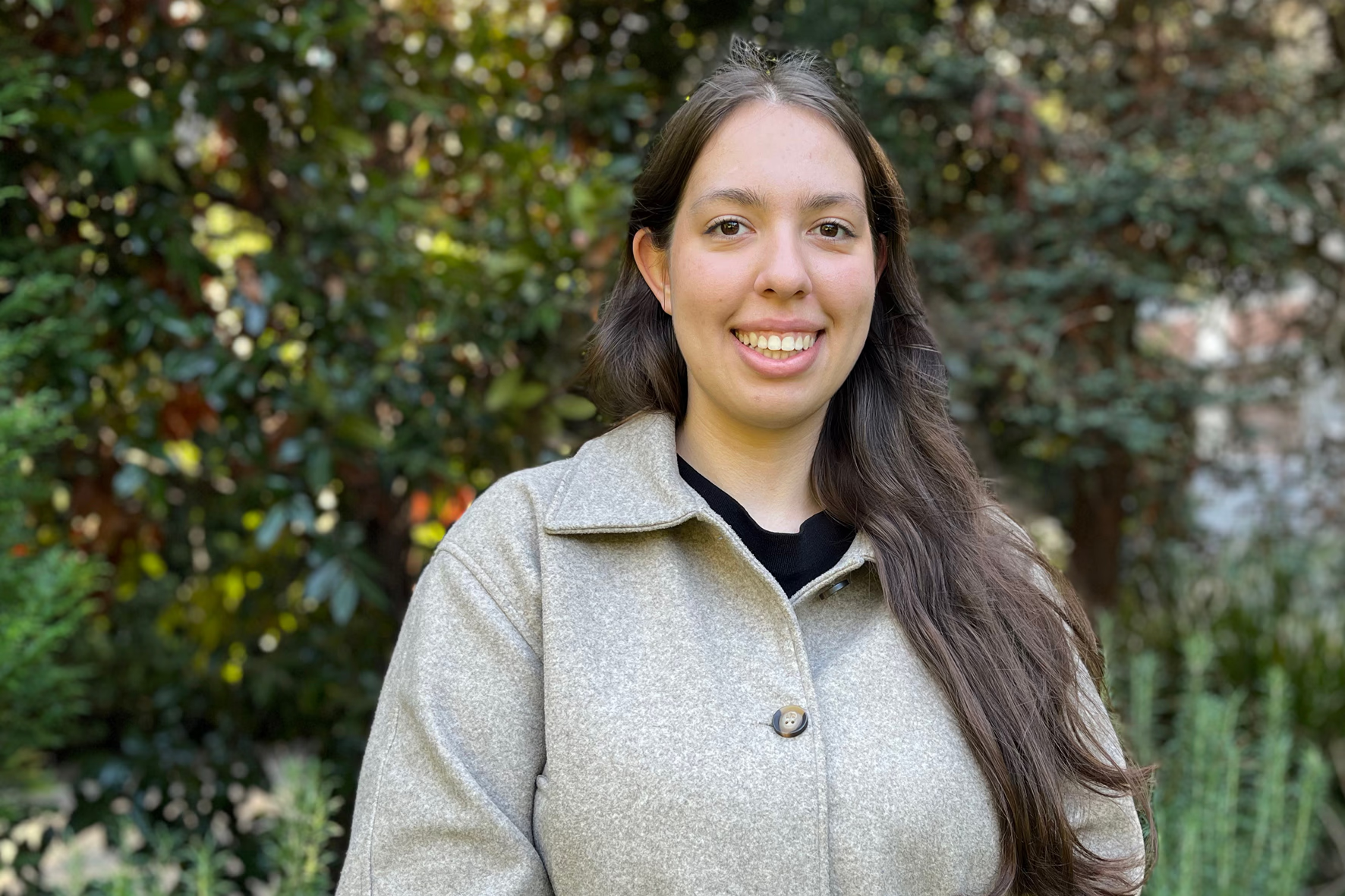
STUDENT SPOTLIGHT: Dakota Lacco
Balancing Purpose and Sustainability
Walking through the maze of buildings at Monash University's Clayton Campus, it's easy to get swept up in the rhythm of lectures, group assignments and constant movement. For Noongar woman Dakota Lacco, a fourth-year Bachelor of Laws (Honours) student, that rhythm has become second nature.
Preparing to step into the legal profession, Dakota's journey reflects a thoughtful evolution, from a high school student interested in courtrooms to a strategic future advocate.
A Wider Landscape of Possibilities
Like many law students, Dakota's initial interest was sparked by Year 11 legal studies.
"I really liked criminal law and the court system," she explains. "That's what initially sparked my interest."
But as her university studies progressed, her perspective expanded. She discovered a much wider landscape of possibilities, ultimately realising that criminal and family law were not the right fit for her.
Instead, Dakota's direction evolved toward litigation, dispute resolution and environmental justice – work focused on land, advocacy and systemic change. Today, she balances her studies by working with the nature team at Environmental Justice Australia, contributing to critical research around issues like land clearing.
For Dakota, the true appeal of a legal background is its inherent flexibility. "You're not boxed into one path forever," she says. "You can move areas, change direction, even go overseas or interstate. That flexibility really attracts me."
Stepping Out of the Comfort Zone with CareerTrackers
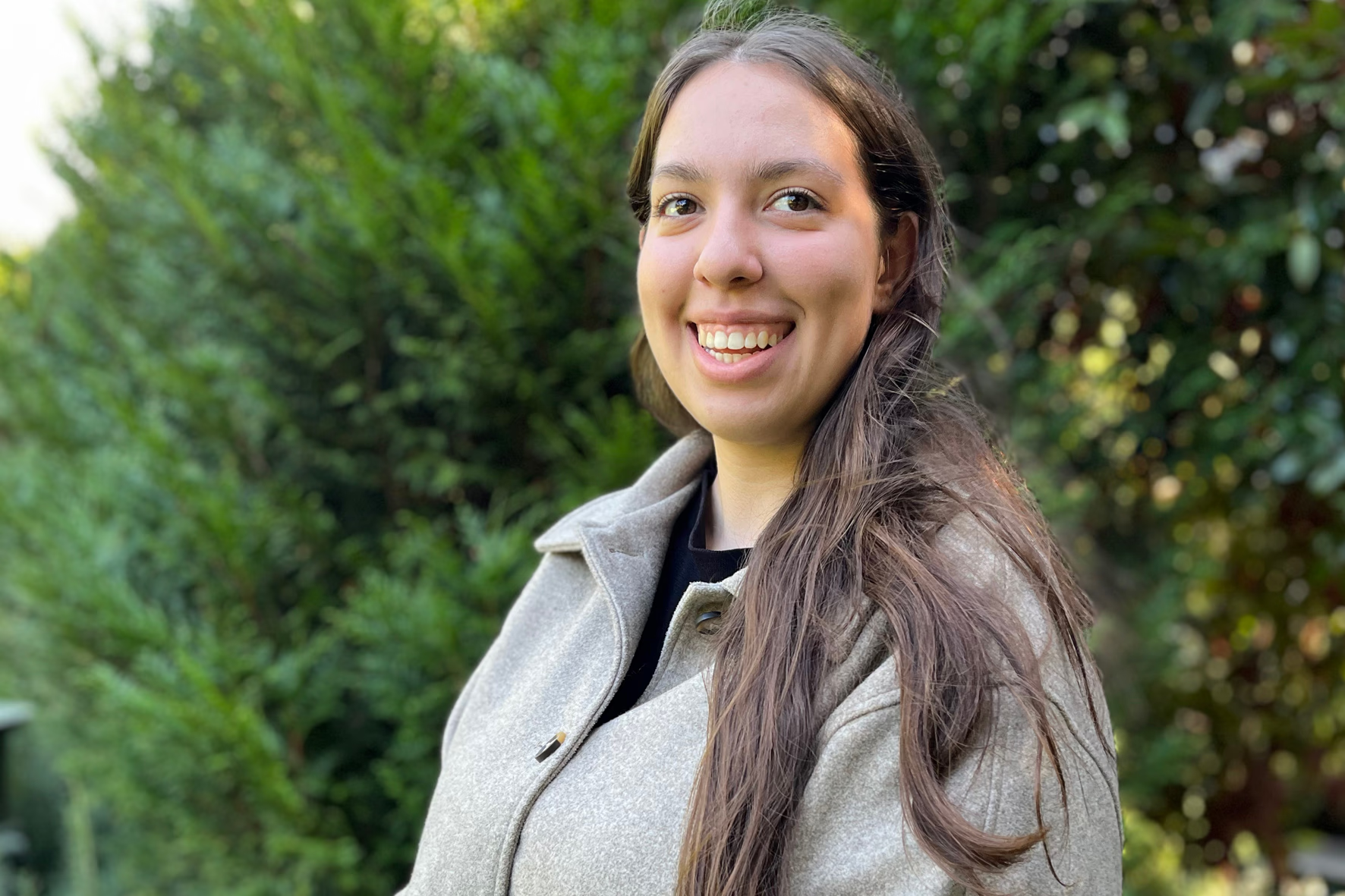
Finding her footing at university wasn't immediate. As the first in her family to attend higher education, navigating the system felt entirely foreign.
"None of my family or friends had been to uni," she explains. "I didn't even really know how to enrol. I was completely out of my comfort zone."
Through CareerTrackers internships spanning family law and insurance law at firm Barry Nilsson, Dakota bridged that gap, gaining hands-on corporate experience in drafting documents, conducting legal research and attending mediations. More importantly, the corporate exposure gave her clarity on where she thrived.
"I liked being in the room when decisions were being discussed," Dakota says. "That was my favourite part, seeing how teams approach problems and decide on strategy."
The placements also pushed her past the imposter syndrome that many early-career professionals face when entering a room where they are the youngest person. When tasked with presenting to senior colleagues, she pushed through the nerves.
"The first time, I was really nervous," she admits. "But the second time I was much more confident. I just did it."
"It can be hard being in spaces where everyone seems so experienced or comes from different backgrounds," she says. "But over time, positive feedback and support from others really helped me realise I belong there."
The Power of Representation
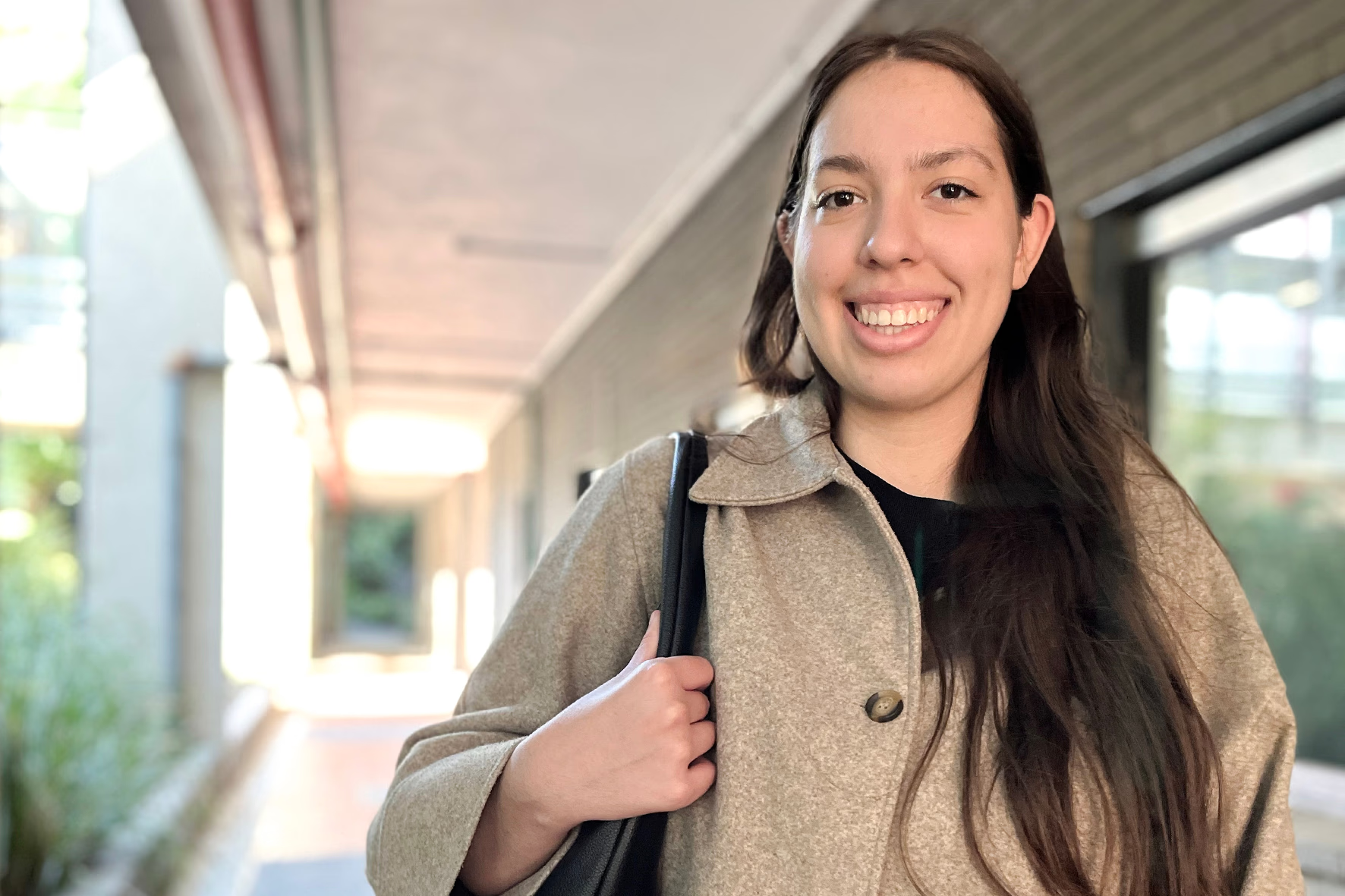
Today, Dakota is intentional about her growth, learning to prioritise attention to detail over speed as she builds her corporate skillset. But at the heart of her hard work is a desire to give back to the community that welcomed her.
Meeting other Aboriginal law students and practising lawyers has been one of the most rewarding pillars of her undergraduate experience.
"It's really motivating," Dakota says. "Going into uni not knowing anyone like me and then finding that community makes a huge difference."
Looking Ahead
With her sights set on completing her practical legal training and starting her career in litigation, Dakota is keeping her options open for future advocacy, policy reform and potentially the bar later down the line.
No matter where her degree takes her, Dakota's ultimate goal remains grounded in making the path smoother for those who follow her.
"I want to encourage young Aboriginal students to feel like they belong in law," she says. "That's really important to me."
For Dakota, law is no longer just about the courtroom. It's about purpose and using her voice to create space for others to find theirs.